

Most home searches now start on a screen, and so does the hunt for an agent. In 2024, 52% of buyers found the home they purchased online, the single most common starting point (NAR, 2024). So it makes sense that the same buyers turn to websites to find a realtor too. But these platforms are not neutral phone books. Some rank agents by performance, some by advertising spend, and some negotiate lower fees on your behalf. This guide compares seven of the most-used agent-finder sites, how each one actually matches you, and who each works best for. For the full vetting process, see our complete guide to finding a good realtor.
Key Takeaways
- 52% of buyers found their home online in 2024, so starting your agent search digitally is normal (NAR, 2024).
- Platforms fall into three types: performance matchers (HomeLight, FastExpert), pay-for-placement ad networks (Zillow, Realtor.com), and fee-negotiators (UpNest, Clever).
- On ad-driven sites, a top-listed agent may simply have paid the most, not sold the most.
- Always verify any matched agent’s license and recent sales independently before you sign.
How do agent-finder websites actually match you?
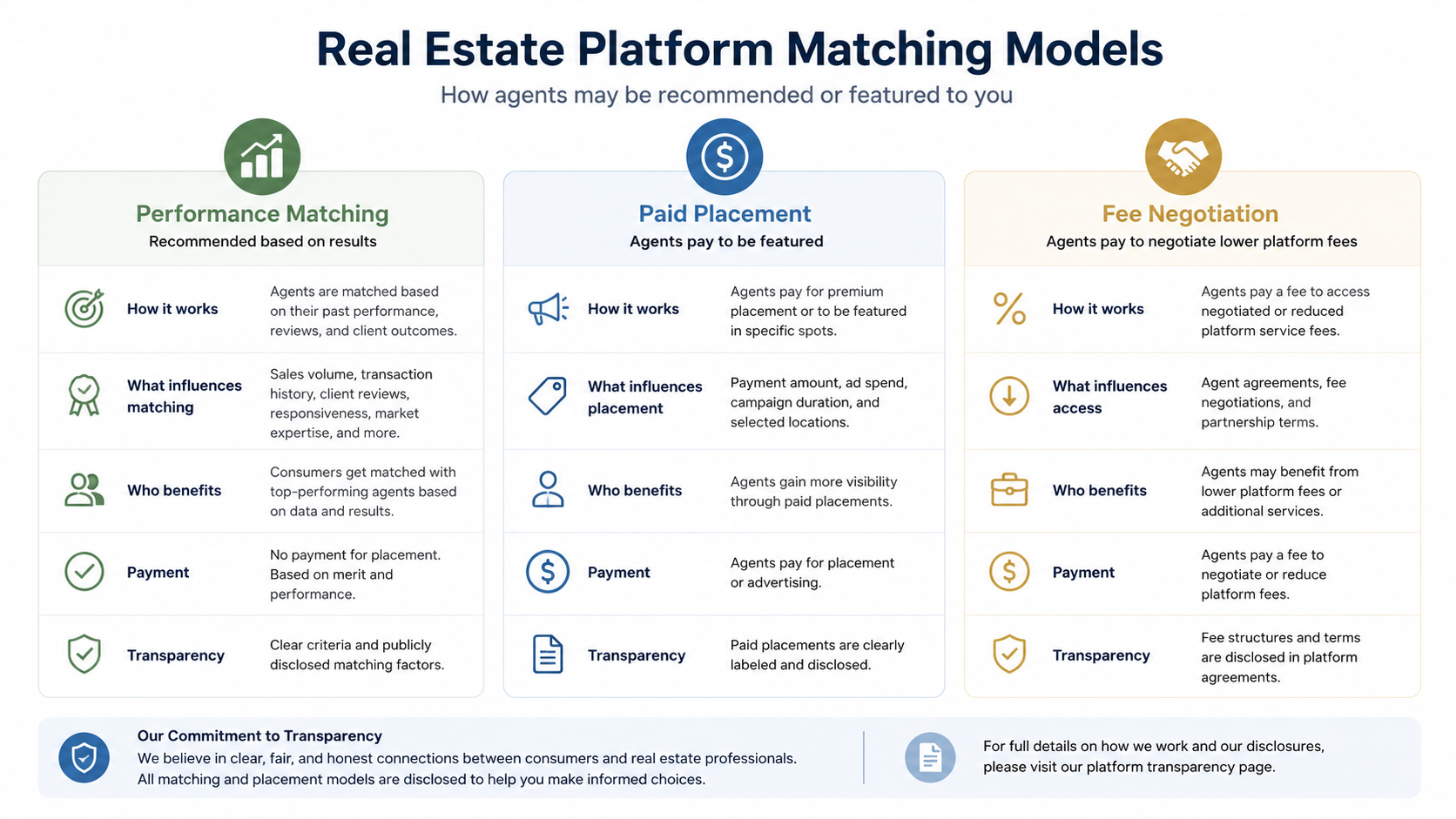
Agent-finder websites use one of three models, and knowing which one you’re on changes how you read the results. Roughly 52% of buyers begin their journey online (NAR, 2024), yet few realize the ranking they see may reflect ad budgets, not sales records. The three models are performance matching, paid placement, and fee negotiation.
Performance matchers analyze public transaction data. They rank agents by how many homes they’ve closed in your area, at what price, and how fast. You answer a few questions, then the site sends you two or three names.
Paid-placement networks work differently. Agents buy advertising to appear in a ZIP code or on a listing. The prominent agent is often the one paying for that spot, not the top performer. That’s not automatically bad, but it’s a different signal.
Fee-negotiation services flip the model. They pre-screen agents who agree to a reduced commission or a rebate, then introduce you. Your savings, not the agent’s ad spend, drive the match.
-> How to Choose a Realtor: 7 Steps to Hiring the Right Agent
Which are the best websites to find a realtor?
The best website depends on whether you want vetted performance, a big directory, or negotiated savings. Buyer’s agents were paid a median commission that has historically sat near 2.5% to 3% of the sale price (Bankrate, 2024), so fee-negotiating platforms can move real money. Below we break down seven leading options and what each one optimizes for.
HomeLight

HomeLight matches you with agents using an algorithm built on public sales records. It weighs closed transactions, price points, and speed to rank agents in your market. You share your needs, and HomeLight sends a short list. The company says its data covers millions of agents and transactions nationwide; treat the exact figure as a marketing claim rather than an audited number.
Best for: buyers and sellers who want data-driven shortlists without wading through a directory themselves.
FastExpert

FastExpert also ranks agents by verified sales history and reviews, then connects you directly. FastExpert leans on transaction volume, local specialization, and client ratings. In our experience, its profiles are refreshingly specific about an agent’s recent deals, which makes side-by-side comparison easier. [PERSONAL EXPERIENCE]
Best for: people who want to compare several vetted agents and read detailed track records before choosing.
Zillow Premier Agent
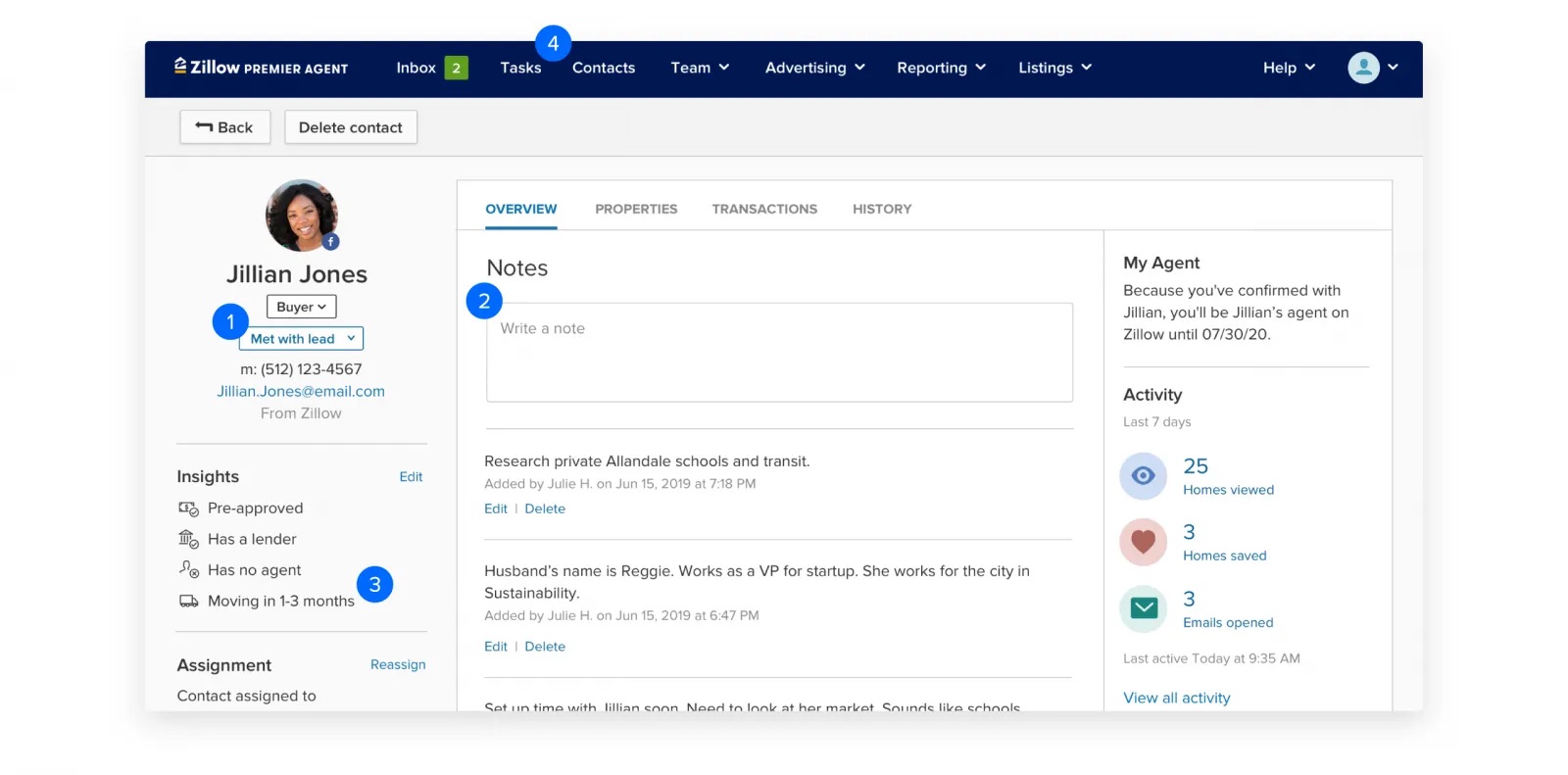
Zillow is the largest real estate portal in the United States by traffic, and its agent finder runs on paid placement. Agents on Zillow Premier Agent buy advertising to appear next to listings in specific ZIP codes. The agent you see beside a home is frequently an advertiser, not necessarily the listing agent or the top local seller. [UNIQUE INSIGHT] That distinction matters: on a performance matcher you’re seeing sales rank, but on Zillow you may be seeing ad rank.
Best for: browsing listings first, then contacting whoever responds fastest, as long as you vet them.
Realtor.com
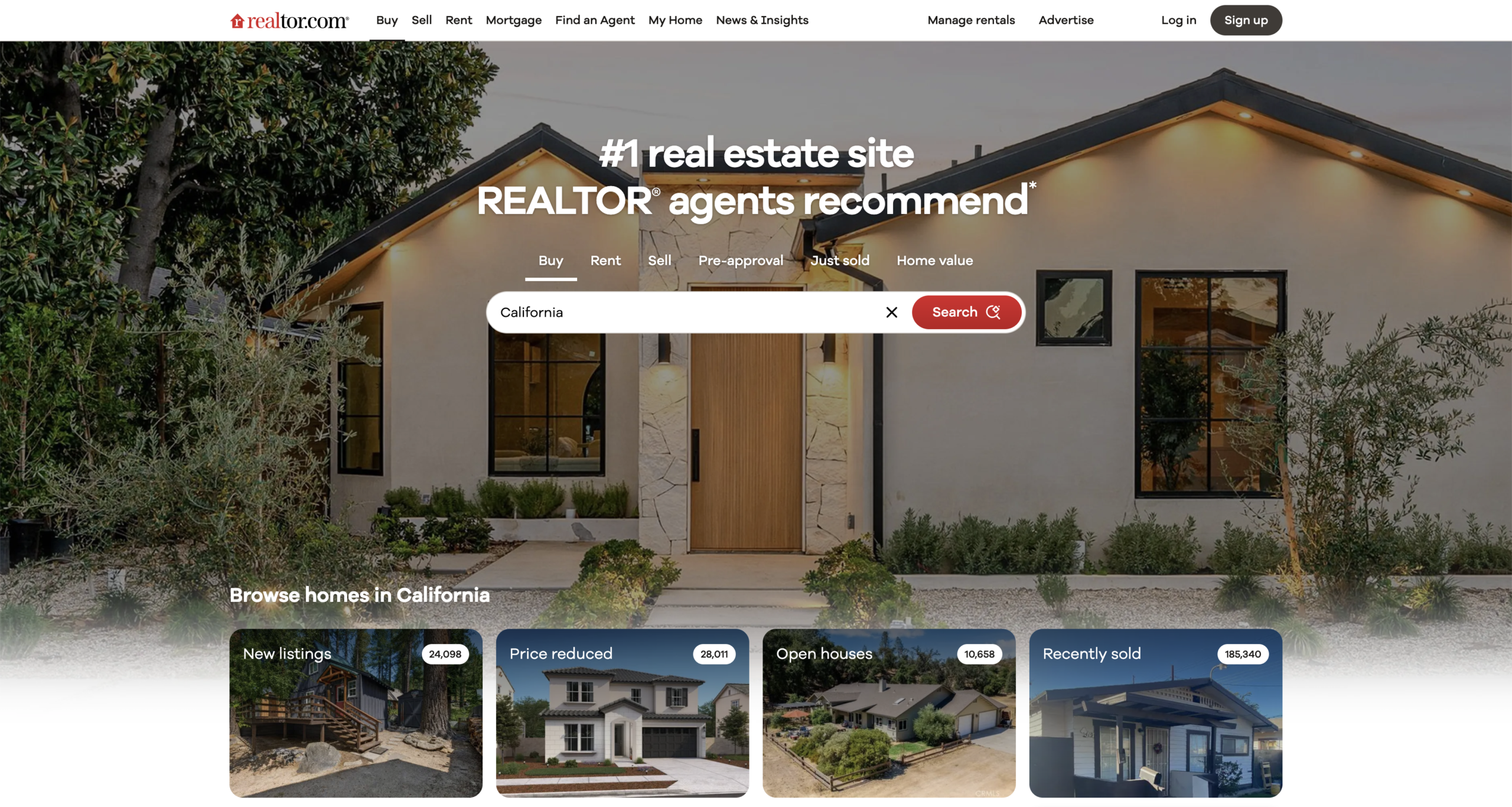
Realtor.com pairs a large agent directory with paid placement, similar to Zillow. Its listings pull from MLS feeds, and its “Find a Realtor” tool lets you filter by location, specialty, and reviews. Agents can pay for enhanced visibility through Realtor.com advertising products, so top slots may reflect spend.
Best for: users who want MLS-fed accuracy and a broad directory they control the filters on.
RankMyAgent

RankMyAgent is a review-and-directory platform that ranks agents largely on verified client ratings and transaction data. RankMyAgent leans heavily on authenticated reviews, which gives it a reputation-first flavor rather than an ad-first one.
Best for: buyers and sellers who weight client reviews and reputation above everything else.
UpNest
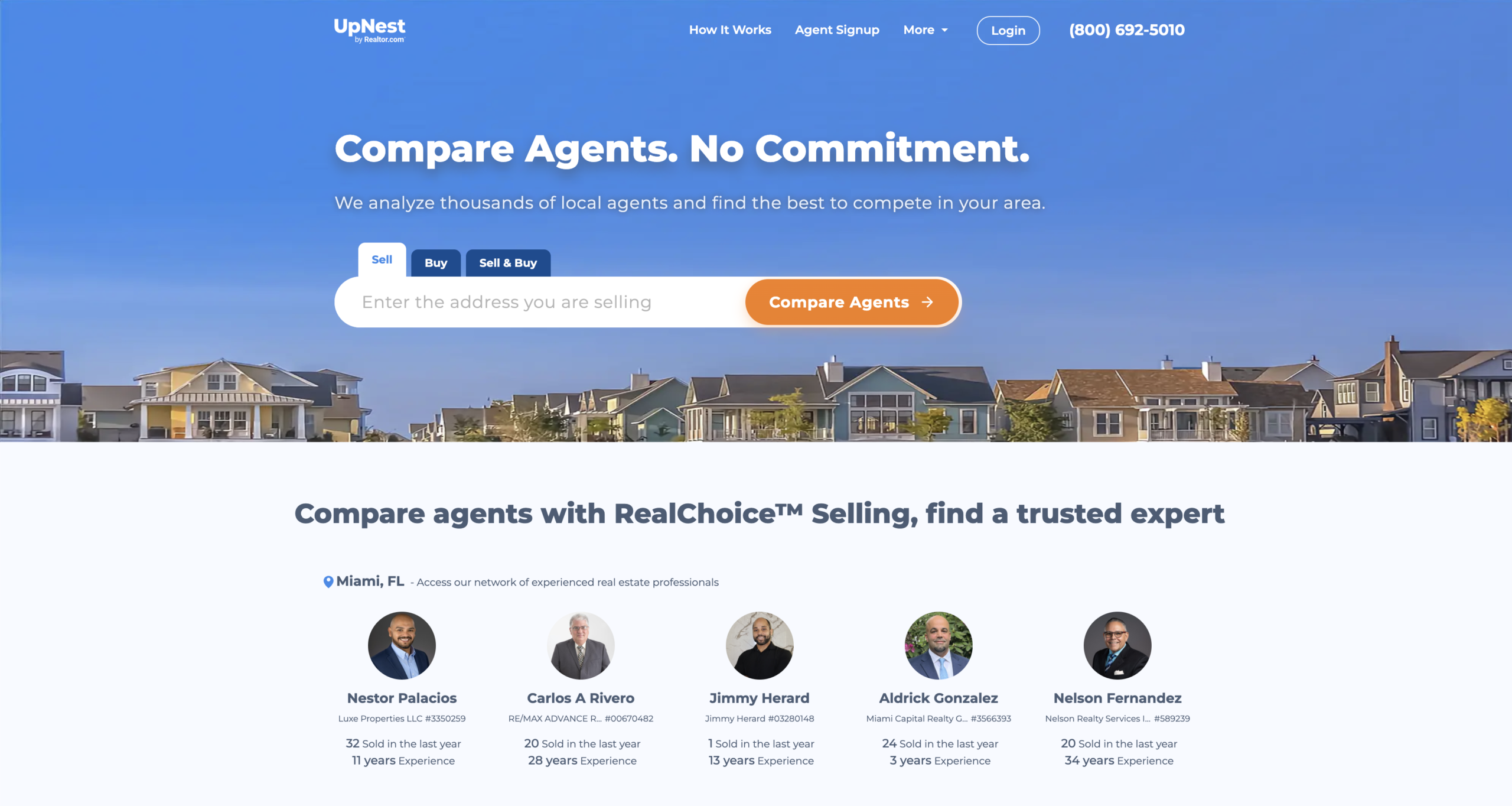
UpNest is a fee-negotiation service, now part of Realtor.com. Agents in its network compete for your business by submitting proposals that often include reduced commissions or rebates. You review the bids from UpNest and pick one. The match is driven by savings and fit, not by who paid for a banner.
Best for: sellers who want agents to compete on price and terms up front.
Clever Real Estate
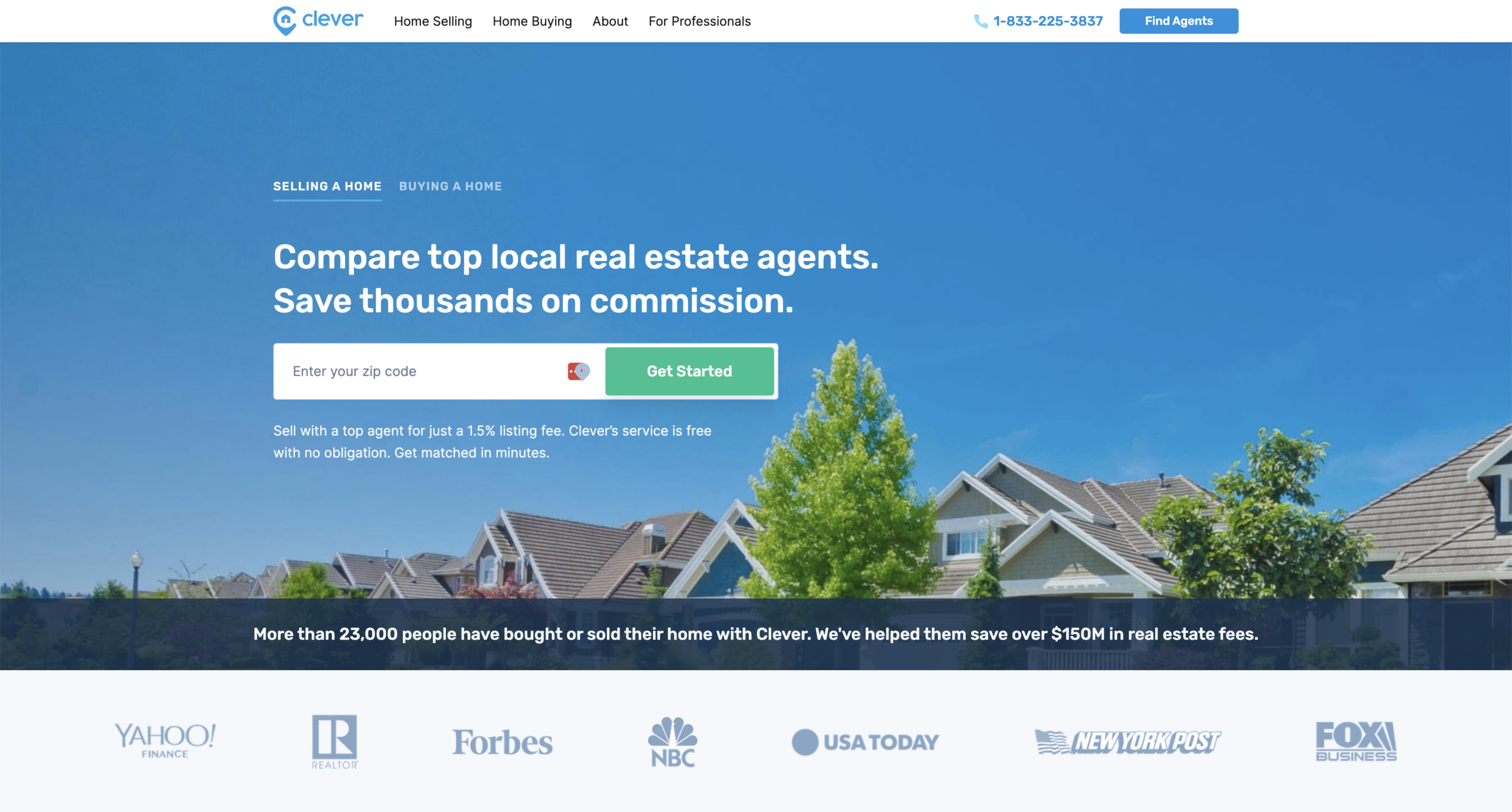
Clever pre-negotiates lower listing fees with a network of full-service agents, then matches you at that discounted rate. Clever commonly advertises a flat or reduced listing commission compared to typical market rates, with the exact figure varying by market. Because full commissions often run 5% to 6% total (Bankrate, 2024), a pre-negotiated listing side can produce meaningful savings.
Best for: sellers focused on cutting commission while keeping a traditional full-service agent.
How do the platforms compare side by side?
No single site wins for everyone, because the platforms optimize for different things. Performance matchers surface proven agents, ad networks surface advertisers, and fee-negotiators surface savings. The table below summarizes how each one ranks agents, whether agents pay for placement, and who it fits best.
| Platform | Matching model | Do agents pay for placement? | Best for |
| HomeLight | Performance (sales data) | No, algorithm-ranked | Data-driven shortlists |
| FastExpert | Performance (sales + reviews) | No, algorithm-ranked | Comparing vetted track records |
| Zillow Premier Agent | Paid placement | Yes | Listing browsers who vet contacts |
| Realtor.com | Directory + paid placement | Yes (enhanced visibility) | MLS-accurate broad directory |
| RankMyAgent | Reviews + transaction data | Primarily reputation-based | Review-first decision makers |
| UpNest | Fee negotiation (agent bids) | No, agents compete on terms | Sellers wanting competing offers |
| Clever | Pre-negotiated discount network | No, discount-based | Sellers cutting commission |
Here’s the honest takeaway. If you want the strongest agent by results, start with a performance matcher and confirm the data yourself. If you want savings, use a fee-negotiator. If you’re already browsing listings, the ad networks are convenient, but read the rankings skeptically.
What should you watch for when using these sites?
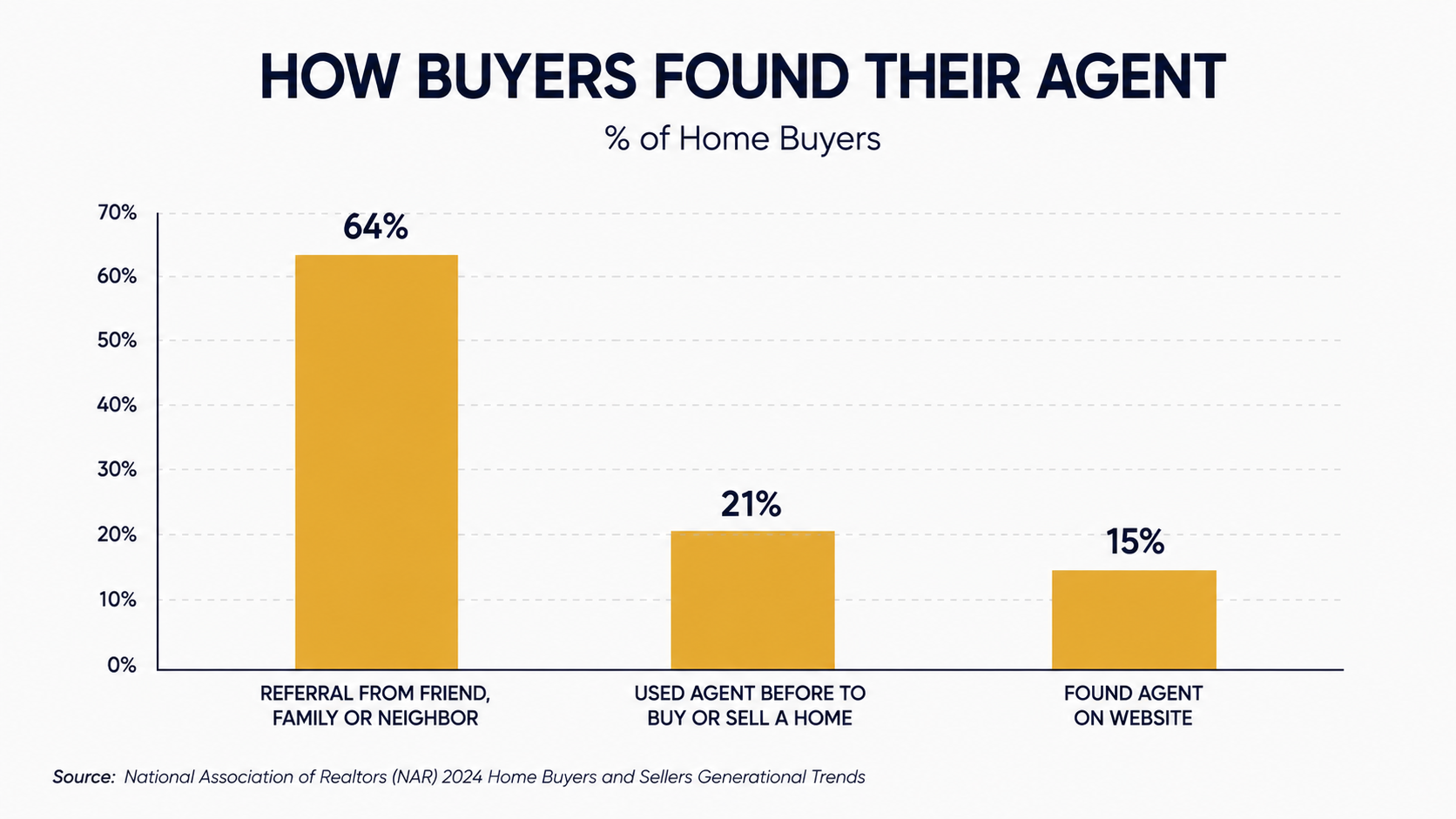
Treat every match as a starting point, not a verdict. Only a small share of buyers found their agent through a website in NAR data, far behind referrals, so these tools speed up discovery but don’t replace vetting (NAR, 2024). Verify the license, read recent reviews, and interview before signing.
Watch the ranking signal first. On pay-for-placement sites, ask directly: “Are you the top-selling agent here, or the top advertiser?” A good agent won’t dodge that question. [UNIQUE INSIGHT]
Check the review dates too. A profile with glowing ratings from three years ago tells you less than a handful of detailed reviews from last quarter. Stale praise is a soft warning sign.
Finally, confirm licensing through your state real estate commission, not the platform. Then scan for the red flags to watch for in an agent before you commit to anyone the site recommends.
Frequently asked questions
What is the best website to find a realtor online?
There’s no single best site, because each optimizes for a different goal. In 2024, 52% of buyers found their home online (NAR, 2024), so any of these tools can start your search. Performance matchers like HomeLight suit results-focused buyers; fee-negotiators like Clever suit savings-focused sellers.
Do agents pay to appear on these platforms?
On some, yes. Zillow Premier Agent and Realtor.com let agents buy placement or enhanced visibility, so a prominent agent may be an advertiser. Total commissions historically run 5% to 6% (Bankrate, 2024), part of which funds that advertising. Performance and fee-negotiation platforms rank differently.
Is HomeLight or FastExpert better than the Zillow agent finder?
It depends on what you value. HomeLight and FastExpert rank agents by verified sales data and reviews, so results reflect performance. Zillow’s finder relies on paid placement, so results reflect ad spend. For a proven track record, the performance matchers usually give a cleaner signal, though you should still verify independently.
Can these websites help me save on commission?
Yes, specifically the fee-negotiation services. UpNest lets agents compete with proposals, and Clever pre-negotiates discounted listing fees. Because commissions run roughly 5% to 6% of the sale price (Bankrate, 2024), even a small reduction on the listing side can save thousands on a typical home sale.
How do I verify an agent I found online?
Confirm the license through your state real estate commission, not just the platform badge. Read recent, detailed reviews, ask about closed sales in your ZIP code, and interview at least two candidates. Our guide on how to choose a realtor walks through the exact questions to ask.
The bottom line
The best website to find a realtor is the one whose ranking model matches your goal. Want proven performance? Start with HomeLight or FastExpert, which rank by sales data. Want the biggest directory while browsing homes? Zillow and Realtor.com deliver reach, but remember their top slots often reflect advertising, not achievement. Want to save money? UpNest and Clever put agents in competition on price. Whatever tool you pick, the platform only shortens the list. You still verify the license, read recent reviews, and interview before you sign. With 52% of buyers starting online (NAR, 2024), these sites are a smart first step, not a substitute for judgment. Next, learn how to choose a realtor from your shortlist.
Looking to buy your dream home, sell a property, or invest in Texas real estate? Let Win Nguyen Real Estate Group guide you every step of the way. Reach out to us today at winnguyengroup.com or call (346) 226-6688.
Win Nguyen Group – Your Trusted Partner in Texas Real Estate.


