

As we navigate through 2026, the Texas real estate landscape has evolved from a speculative frenzy into a calculated, yield-focused market. For many domestic and international investors, the central question remains: is Houston good for rental investment given the current economic climate?
While rising insurance premiums and property taxes are frequent headlines, the underlying fundamentals of the Bayou City suggest a resilient opportunity. Houston has long been a favorite for buy-and-hold strategies due to its massive geographic footprint and lack of zoning.
However, 2026 requires a more surgical approach. Success this year is not found in buying the general market, but in identifying specific sub-markets where job growth outpaces inventory. We provide the data you need to make an informed decision.
Learn more:
- First-Time Home Buying Texas: 2026 Guide & Top Programs
- How to Buy a House with Bad Credit: 2026 Guide & 5 Texas Programs to Help You
- First-time Home Buyer Programs Texas 2026: The Ultimate Guide to Grants & Loans
Is Houston a Good Place for Rental Investment?
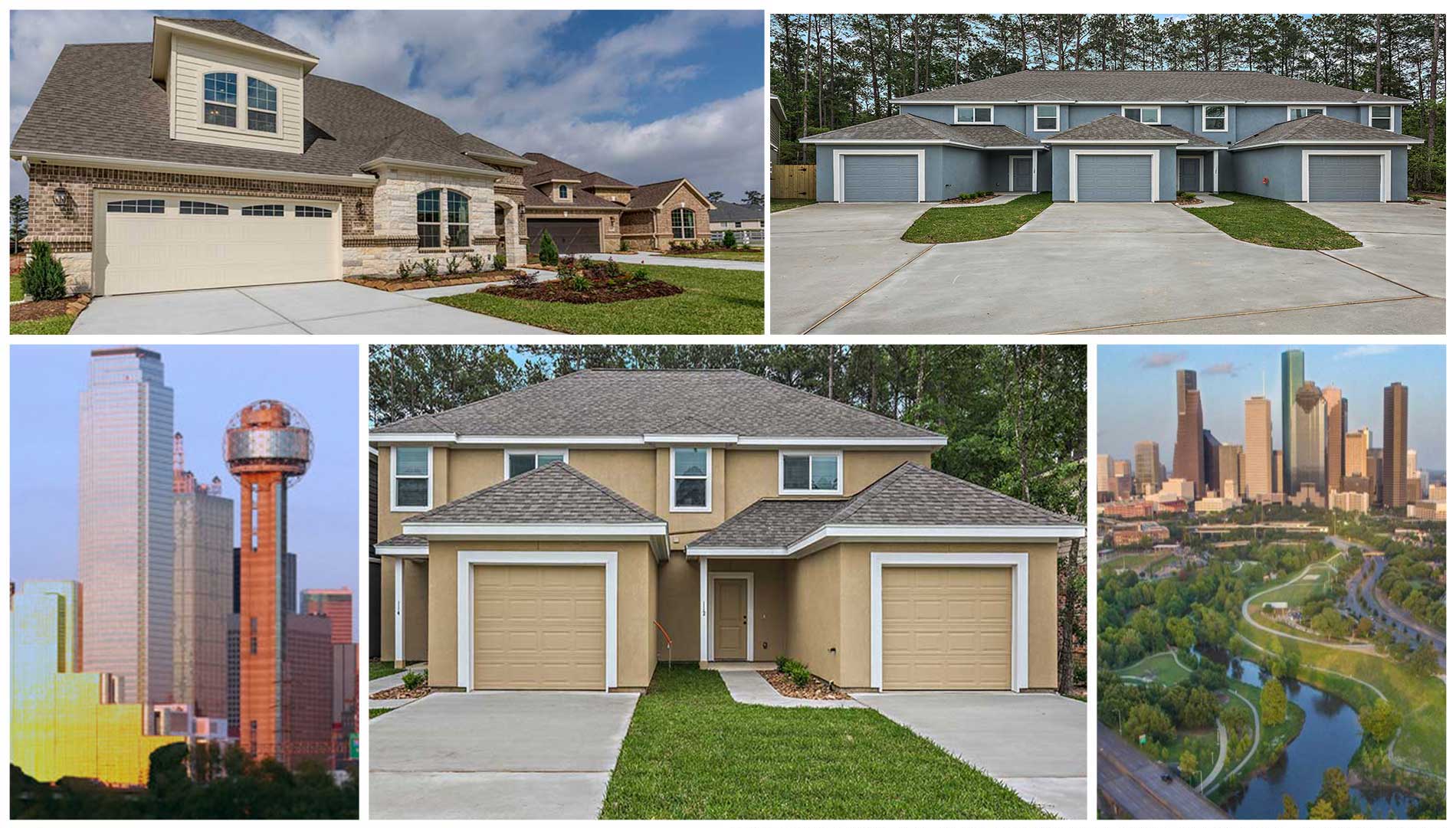
Houston is considered an excellent market for rental investment in 2026, offering gross rental yields between 7% and 10% in high-demand suburbs. With a median home price approximately 20% below the national average, entry remains accessible.
A steady influx of nearly 100,000 new residents annually ensures that the demand for single-family rentals remains robust. The city’s diversified economy provides a reliable tenant base that is less susceptible to single-industry downturns.
Unlike high-appreciation, zero-cash-flow markets, Houston allows investors to achieve a positive debt-coverage ratio even with current mortgage rates. The lack of state income tax further enhances the net return on investment (ROI).
The “Houston Math”: Balancing High Property Taxes with Rental Income
The most significant barrier for new investors in Texas is the property tax rate, which often lands between 2.1% and 3.5%. To understand why the Houston Math still works, one must look at the total financial picture.
In a typical 2026 scenario, a single-family home in a suburb like Richmond might cost $330,000 and rent for $2,650 per month. While the property tax bill might be $8,500 annually, the absence of a state income tax often balances the ledger.
Furthermore, Houston’s rent-to-price ratio remains one of the healthiest in the nation. Investors are finding that after accounting for taxes and insurance, the Net Operating Income (NOI) is frequently high enough to cover financing costs.
Key Drivers of the Houston Rental Market
Population Surge and Job Diversity
Houston is no longer just the energy capital of the world. In 2026, the Texas Medical Center continues its massive expansion with the TMC3 campus. This creates thousands of high-paying jobs in life sciences and biotechnology.
This diversification acts as a safety net for landlords. When one sector cools, another typically accelerates to fill the gap. Job growth in the region has consistently outpaced the national average for over a decade.
Landlord-Friendly Regulations
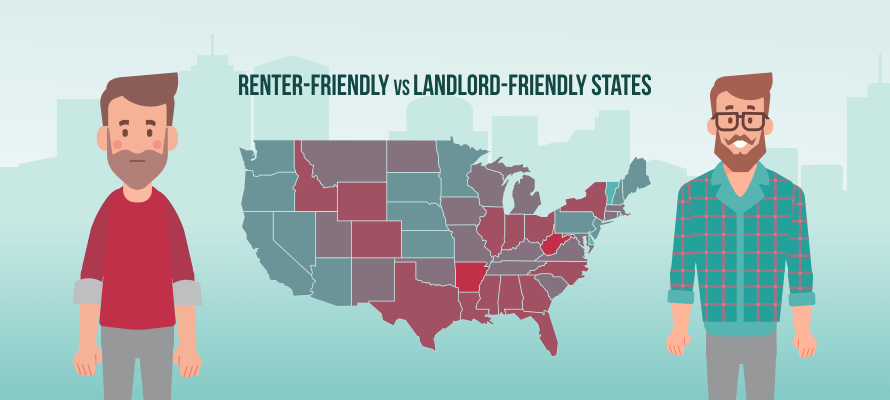
Texas remains one of the most landlord-friendly states in the U.S. The legal framework provides a clear, expedited process for evictions in cases of non-payment. Most cases are concluded within 30 days, protecting your cash flow.
There are no rent control measures, allowing landlords to adjust rents to market rates annually. For an investor, this regulatory stability reduces the worst-case scenario risk and ensures long-term management freedom.
Top Houston Neighborhoods for Rental Investment (2026)
Selecting the right location is the difference between a high-vacancy headache and a passive income machine. Below is a breakdown of the top-performing submarkets, balancing tax rates, school quality, and expected yields.
| Neighborhood | Investment Strategy | Median Price | Monthly Rent | Est. Net Yield |
| Katy / Richmond | Family Stability | $320k – $450k | $2,400 – $3,200 | 5.7% – 6.2% |
| Cypress | New Construction | $300k – $400k | $2,300 – $2,800 | 6.1% – 6.5% |
| The Heights | Luxury / STR | $600k – $900k | $3,500 – $5,000 | 4.2% – 4.8% |
| Spring Branch | Value-Add | $350k – $550k | $2,600 – $3,400 | 5.5% – 5.9% |
| Medical Center | Multi-Family/Condo | $250k – $400k | $2,000 – $2,800 | 6.4% – 7.0% |
Focusing on “B-Class” neighborhoods in A-Class school districts ensures stable tenancy. Families are often reluctant to move and disrupt their children’s education, which translates to longer lease terms and lower turnover costs for you.
Common Challenges for Houston Landlords

Investing in Houston requires careful due diligence in two specific areas to protect your annual margins.
Understanding MUD/PUD Taxes
A Municipal Utility District (MUD) is a special district created to finance the infrastructure of a development. Newer developments often have high MUD taxes to pay off construction bonds.
We advise looking for maturing MUDs in older neighborhoods. This is where bonds are nearly paid off, leading to a lower total tax rate. This strategy provides a direct boost to your monthly cash flow.
Property Tax Appraisals and Protests
In Texas, property is appraised annually at its market value. For investment properties, the 10% annual Homestead Cap does not apply. This means your tax bill can jump significantly if market values surge.
Successful Houston landlords treat protesting taxes as an annual business ritual. By hiring a local protest firm, you can often shave 5% to 15% off your appraised value, protecting your annual profit margins.
Frequently Asked Questions
Q: How does the “One Big Beautiful Bill Act” of 2025 impact Houston investors?
A: This federal legislation re-stabilized bonus depreciation at 100% for 2026. This allows Houston investors to perform a Cost Segregation Study and write off significant portions of the property’s value in the first year.
Q: Is flood insurance a deal-breaker in Houston?
A: Not necessarily, but it requires a Zone X strategy. We recommend targeting properties outside the 500-year floodplain. Carrying a preferred-rate flood policy provides peace of mind while maintaining your cap rate.
Q: What is the typical “Option Period” in a Houston investment deal?
A: The Option Period is a negotiated window, usually 5 to 10 days. The buyer has the unrestricted right to terminate the contract. Use this time to conduct inspections and finalize the math on taxes and insurance.
Q: Are Short-Term Rentals (STR) still viable in Houston?
A: Houston is more lenient than Austin, but many suburban HOAs have passed bylaws restricting STRs. If your strategy relies on Airbnb income, it is imperative to have an expert review HOA documents during the Option Period.
Expert Guidance for Your Investment Journey
Navigating the Houston market in 2026 requires more than just access to listings. It requires a boots-on-the-ground understanding of tax jurisdictions and neighborhood trends. Data-backed consulting is essential for long-term success.
As Win Nguyen Real Estate Group – Texas’s Top Real Estate Team, we are dedicated to helping you navigate these complexities. Our deep local roots allow us to identify opportunities that generic algorithms often miss, ensuring your portfolio grows strategically.
We believe that every real estate transaction should be a win-win for all parties involved. By providing clarity on the numbers and local market insights, we help you secure properties that deliver both stability and growth.
Conclusion
In summary, Houston remains a powerhouse for rental investments in 2026. The combination of strong job growth, landlord-friendly laws, and attractive rent-to-price ratios creates a fertile ground for both new and seasoned investors. Success lies in detailed local knowledge.
Whether you are looking for your first rental property or expanding a commercial portfolio, Win Nguyen Real Estate Group is ready to guide you every step of the way. Let us help you turn the “Houston Math” into a significant advantage for your financial future.
Reach out to us today at winnguyengroup.com or call us at (346) 226-6688.

Win Nguyen Group – Your Trusted Partner in Texas Real Estate.


