
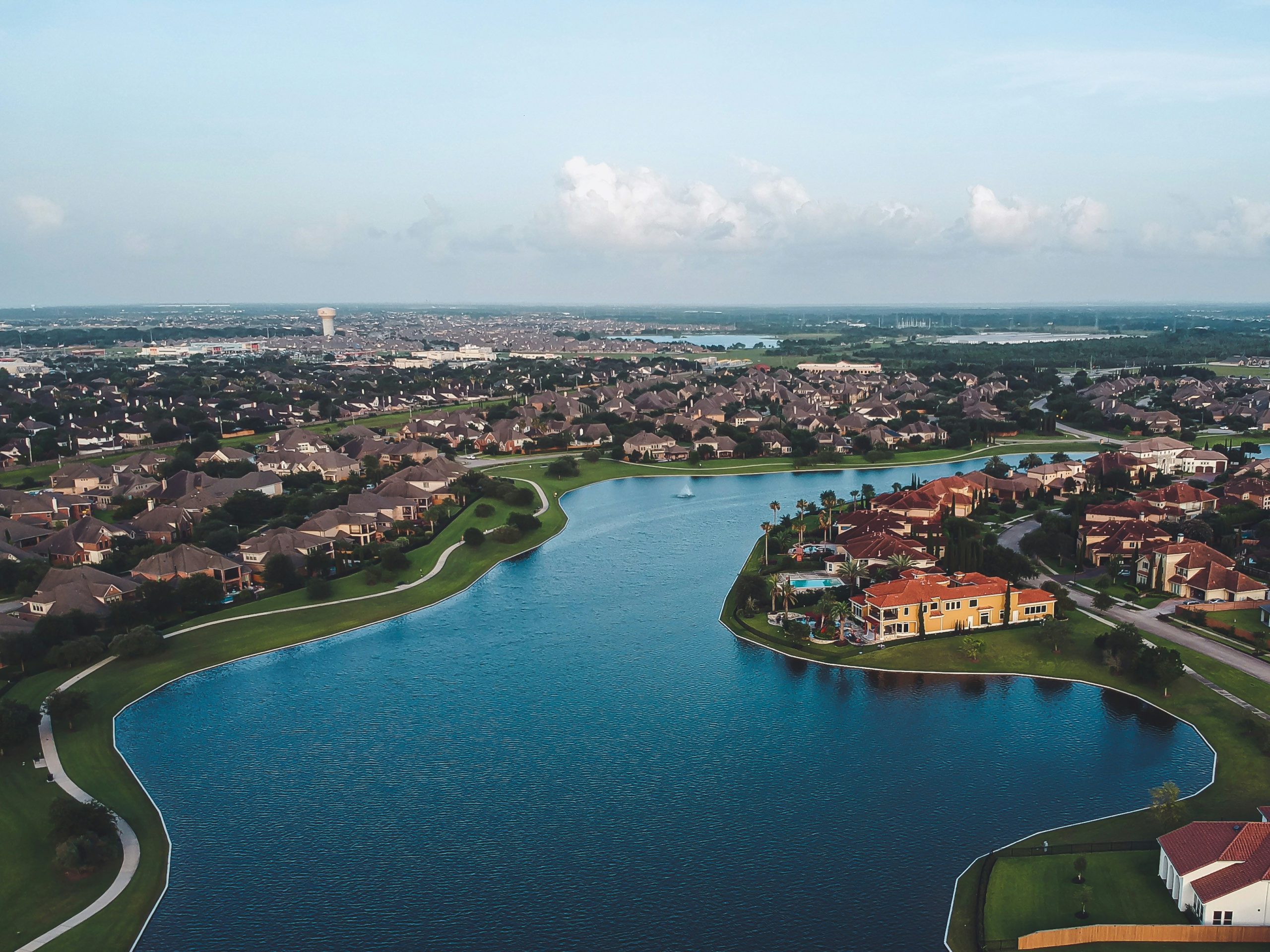
When exploring the booming Lone Star State real estate market, evaluating new construction vs resale homes Texas stands as the most critical first step for buyers in 2026. The massive “Texas Triangle” connecting Houston, Dallas-Fort Worth, and Austin continues to serve as the nation’s premier destination for corporate relocations and massive domestic migration.
However, navigating today’s unique economic climate introduces a complex web of shifting modern challenges for everyday families trying to plant deep roots. Fluctuating mortgage rates, evolving local building codes, and rapidly changing inventory levels leave many buyers standing at an important financial crossroads.
Should you invest your capital in the modern energy efficiencies of a brand-new suburban build or capitalize on the established charm of a central resale home? This comprehensive guide delivers an extensive, data-backed analysis of both pathways to empower your next major real estate decision.
The Texas Housing Boom in 2026

The Texas Triangle – Houston, Dallas-Fort Worth, and Austin – continues to lead the nation in population growth and corporate relocations in 2026
The year 2026 marks a unique turning point as the legendary Texas population expansion meets a brand-new phase of market stabilization. While regions like Austin experience natural price corrections, Houston and Dallas continue to display remarkable economic resilience and job market growth.
This ongoing surge in demand keeps total housing availability tight, yet inventory has steadily risen to over 141,000 active listings statewide. This unique combination gives modern buyers an unprecedented level of leverage that simply did not exist during the chaotic pandemic years.
As mortgage rates begin to settle around the low 6% range, the market is experiencing a healthy transition toward more balanced buyer-seller conditions. Understanding how to navigate this current boom requires looking closely at how new properties match up against historical real estate options.
New Construction: The “Smart & Green” Standard in Texas

Modern Texas homes built for energy efficiency and comfort
The appeal of a brand-new home is undeniable. Walking into a property where no one else has ever lived, cooked, or slept offers an incredible sense of security and pride. In the current real estate landscape, homebuilders are leveraging advanced technologies and aggressive financial engineering to make new construction properties highly competitive.
The 2026 Builder Edge: Financial Incentives and Rate Buy-Downs
In an environment where traditional institutional mortgage rates hover at levels that give everyday buyers pause, national and regional homebuilders have stepped in to act as lenders. Because volume builders (such as Lennar, Perry Homes, Coventry Homes, and Highland Homes) carry massive lines of credit and must move inventory to satisfy shareholders, they are offering historic financial concessions.
The defining market trend is the interest rate buy-down. Builders are frequently offering 2-1 or permanent interest rate buy-downs, effectively lowering a buyer’s mortgage rate by 1% to 2% below the standard market average for the initial years or the life of the loan.
Example: If the current market rate is 6.5%, a builder-backed permanent buy-down might secure you a fixed rate of 5.5%. Over a 30-year amortization schedule on a $450,000 mortgage, this single incentive saves you hundreds of dollars every month and tens of thousands over the life of the loan.
Furthermore, builders are routinely absorbing entire closing costs, saving buyers an additional $5,000 to $15,000 in upfront out-of-pocket expenses.
Texas Energy Codes: Beating the Brutal Summer Heat
Texas summers are legendary for their intensity, and utility bills can easily derail a household budget. Fortunately, homes constructed in accordance with updated building standards feature revolutionary advancements in climate control and thermal efficiency.
New construction properties are built with strict adherence to modern energy frameworks. Key features include:
- Spray-Foam Insulation: Sealing the entire building envelope, including the attic, to eliminate air leaks.
- Radiant Barrier Roof Decking: Reflecting up to 97% of solar infrared heat away from the attic space.
- High-SEER2 HVAC Systems: Utilizing multi-stage compressors that consume a fraction of the electricity required by systems built just a decade ago.
- Low-E Vinyl Windows: Double-paned glass coated with microscopic metallic oxides to block ultraviolet light while permitting visible illumination.
These features drastically reduce structural strain on the Texas power grid and yield immediate financial dividends. A modern 3,000-square-foot new construction home in the Houston suburbs often costs less to cool than a 1,800-square-foot resale home built in the late 1990s.
The Rise of Master-Planned Communities (MPCs)
The trend toward suburban expansion has driven the explosive growth of massive Master-Planned Communities (MPCs). Suburban hubs like Katy, Cypress, Fulshear, Richmond, and Conroe are home to some of the top-selling master-planned developments in the nation.
These communities are engineered to be self-sustaining ecosystems. When you purchase a new construction home within a premium MPC, you are buying into a curated lifestyle that features:
- Resort-style lagoons, waterparks, and lazy rivers.
- Miles of paved, interconnected hiking and biking trails.
- On-site elementary and middle schools built in partnership with top-tier school districts (such as Katy ISD or Cy-Fair ISD).
- Integrated commercial town centers featuring local dining, retail, and co-working spaces.
Builder Warranties: Peace of Mind Ensured
Every major new construction asset comes wrapped in peace of mind via the industry-standard 1-2-10 Year Warranty. This structured framework legally binds the builder to address defects across varying timelines:
- Year 1 (Workmanship and Materials): Covers internal finishes, drywall, trim, and minor cosmetic performance.
- Year 2 (Mechanical Systems): Guarantees delivery components behind the walls, including electrical wiring, plumbing runs, and major HVAC ductwork.
- Year 10 (Structural Components): Provides comprehensive coverage for the load-bearing structural framework, most notably the concrete foundation.
Resale Homes: Location, Maturity, and Immediate Equity
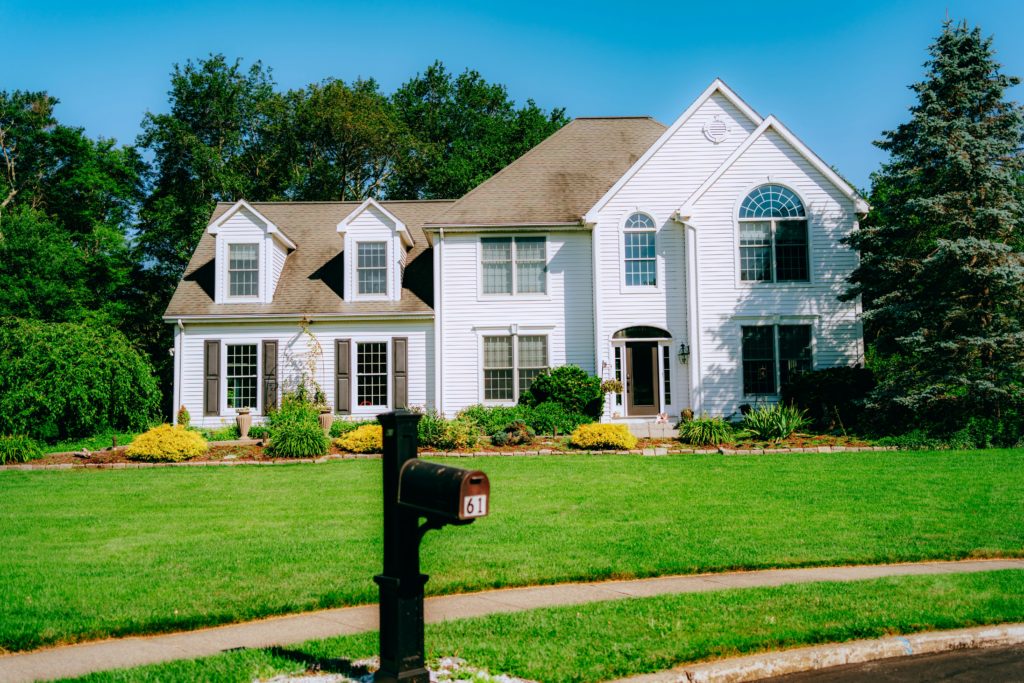
Established neighborhoods with charm, shade, and prime location
While new construction offers shiny finishes and cutting-edge tech, established resale homes possess structural, geographic, and economic advantages that simply cannot be replicated by modern production builders.
Established Districts and Strategic Locations
The most fundamental rule of real estate remains undefeated: Location, location, location. Because major metropolitan centers expand outward, the land closest to major employment centers, cultural districts, and historic highways was claimed decades ago.
If your career requires daily commuting to major economic engines like the Texas Medical Center, the Houston Ship Channel, or the Downtown Corporate Hub, buying a resale home is often the most practical choice. Settling into historic or highly established enclaves like The Heights, Montrose, River Oaks, or older rings of Sugar Land and Plano means minimizing your commute time.
Choosing a resale property inside or near the major urban loops can save you hours of commuting every week compared to buying a new construction home in far-out suburban rings.
The “Lot Size” Advantage and Natural Maturity
Step into a newly developed subdivision, and you will notice a distinct modern layout trend: high-density plotting. To maximize profitability, modern builders place large homes on increasingly small lots, often leaving just a few feet of space between neighboring properties.
In contrast, resale homes constructed in the 1970s, 80s, or 90s sit on expansive parcels of land. These older neighborhoods feature:
- Wide, generous streets with deep setbacks.
- Substantial front and back yards that provide genuine privacy and space for custom swimming pools or detached workshops.
- Mature Landscaping: Majestic, decades-old live oaks and pecan trees that create a dense canopy. This natural shade reduces local ambient ground temperatures and lowers cooling costs naturally.
Value-Add Potential: Crafting Instant Equity
When you purchase a new construction property, you are buying at the absolute top of the submarket’s price scale. The builder has captured the premium markup on every square inch of stone, tile, and paint.
Resale homes offer an entirely different financial playbook: forced appreciation through strategic renovation. By targeting a structurally sound property in a desirable school district that suffers from cosmetic obsolescence (e.g., outdated brass fixtures, popcorn ceilings, or 1990s cabinetry), a savvy buyer can purchase below market value.
Through targeted DIY projects or hiring local contractors to upgrade kitchens and baths, you can systematically build substantial equity faster than organic market appreciation allows.
Lower Initial Tax Base Constraints
Because established resale neighborhoods have long-completed infrastructure, their underlying bond debts are often fully matured or entirely paid off. As we will explore deeper in the financial section, avoiding the specialized taxing districts attached to brand-new raw land developments can save you thousands of dollars annually in your total escrow payments.
Deep Dive: Regional Differences in Texas (2026 Data)
To truly evaluate new construction vs resale homes in Texas, it helps to contextualize how our local market compares to other major metropolitan areas across the Lone Star State. Texas real estate is not a monolith; each major urban center features its own distinct dynamics.
| Metropolitan Region | New Construction Focus | Resale Market Strength |
| Greater Houston | Sprawling master-planned communities across Katy, Cypress, and Fulshear. Strong focus on hurricane resilience and elevated grading. | Historic charm within the Inner Loop; deeply rooted, mature communities in Sugar Land and Kingwood. |
| Dallas-Fort Worth (DFW) | Massive northern expansion into Frisco, Prosper, Celina, and McKinney. Focus on smart-home tech hubs. | Solid, highly stable asset performance in historic neighborhoods throughout Richardson, Plano, and Lakewood. |
| Austin Metro | Tech-centric pocket developments in North Austin, Round Rock, and far-eastern corridors like Manor. | High historical appreciation and premium valuations in core areas like South Congress, Zilker, and West Lake Hills. |
| San Antonio | Affordable, entry-level residential options exploding across West San Antonio and the Converse corridor. | Deep cultural character and historic preservation districts in King William, Alamo Heights, and The Pearl. |
Financial Breakdown: The “Texas Tax” Factor

MUD and PID districts – the hidden cost of new construction
Understanding the full financial picture of Texas real estate requires looking past the initial purchase price. The true cost of homeownership across the state is dictated by ongoing operational costs: property taxes and homeowners insurance.
Property Taxes: MUD and PID Districts Explained
Texas has no state income tax, which means public infrastructure, schools, and emergency services are funded entirely through local property assessments. This makes Texas property tax strategies a vital consideration for your monthly budget.
When analyzing new construction properties, you will frequently encounter MUD (Municipal Utility District) and PID (Public Improvement District) designations. When a developer buys hundreds of acres of raw pasture land outside city limits, there are no existing water lines, sewage treatment plants, or paved roads. To fund this infrastructure, a specialized local political subdivision is created, which issues municipal bonds.
The buyers of the new homes absorb the cost of paying off these infrastructure bonds through a specialized line item on their property tax bill.
- New Construction Tax Rates: Often range from 2.8% to 3.5%+ due to active MUD/PID bond assessments.
- Established Resale Tax Rates: Often drop to 1.8% to 2.4% because the infrastructure bonds have been paid off over the preceding decades.
The Real-World Financial Impact: Consider two homes valued identically at $400,000.
- New Construction (3.3% Tax Rate): $13,200 annually in property taxes.
- Resale Property (2.1% Tax Rate): $8,400 annually in property taxes.
This creates a difference of $4,800 per year, or an extra $400 every month added to your PITI (Principal, Interest, Taxes, Insurance) mortgage payment.
Which Fits Your Texas Lifestyle?

Your lifestyle, your neighborhood, your choice
If you want complete predictability, a fixed monthly payment backed by an introductory low interest rate, and zero interest in spending your weekends managing home improvement projects, New Construction is your ideal path.
The initial years of homeownership under a builder warranty allow you to accurately forecast your living expenses without worrying about an unexpected $12,000 HVAC failure or a leaky roof.
The Commuter and Character-Driven Traditionalist
If you value short commutes, unique architectural styles, large yards, mature tree lines, and neighborhood stability, Resale Homes offer an unmatched lifestyle.
Buying an established home lets you settle into a proven neighborhood with historical market data, ensuring your investment is well-positioned for long-term appreciation.
The Savvy Real Estate Investor
For long-term wealth builders, the decision hinges on the balance between cash flow and equity growth.
- New construction homes attract premium tenants, command higher rents, and require near-zero maintenance capital expenditures during the initial years.
- Resale homes offer a lower barrier to entry per square foot and provide immediate equity opportunities through strategic remodeling and updating.
Checklist for Texas Homebuyers in 2026

Do your homework before you sign
Do your homework before you sign
Whichever path you choose, make sure to cross-reference every potential property against this essential Texas-specific real estate checklist:
- Verify the MUD/PID Disclosures: Always ask for the complete tax breakdown. Do not rely on previous land values.
- Analyze Foundation and Soil Profiles: Expansive clay soils shift significantly based on localized moisture levels. Hire licensed structural engineers to evaluate elevation metrics before closing a deal on any older resale asset.
- Review Flood Insurance Rate Maps: Texas updates flood maps frequently to reflect changing local topography. Check official FEMA portals to know your exact zone status regardless of construction age.
- Audit School District Boundaries: Independent School Districts wield immense influence over localized residential property values. Buying in highly rated school districts provides excellent downward price protection during broader market corrections.
Frequently Asked Questions
Q1: Is it better to buy a new home or an older home in Houston right now?
A: While the base price of a resale home is often lower per square foot, new constructions in 2026 frequently offer better financing. Builders provide aggressive rate buy-downs and cover closing costs, saving buyers substantial upfront capital.
Q2: Why are property taxes higher for new homes in Texas?
A: Most new construction developments sit within newly established Municipal Utility Districts (MUDs) or Public Improvement Districts (PIDs). These districts levy specialized property taxes to build roads, water systems, and public utility infrastructure from scratch.
Q3: Do new construction homes in Texas have a foundation warranty?
A: Yes, reputable Texas homebuilders provide standard 1-2-10 year structural warranties. This framework guarantees workmanship for one year, mechanical systems for two years, and the structural foundation integrity for a full ten years.
Q4: Can I negotiate the price of a new construction home as I would with a resale?
A: In 2026, builders prefer negotiating on financing incentives and premium upgrades rather than dropping base prices. This strategy protects the official appraisal values of remaining lots within the active master-planned development.
Q5: Is homeowners insurance cheaper for new builds in Texas?
A: Generally yes, because insurance carriers calculate risk premiums based on structural age and material resilience. A brand-new roof and modern electrical systems built to modern codes easily secure premiums 20% to 40% lower than older homes.
The decision between a new build and a classic resale involves balancing many moving parts simultaneously. Calculating complex tax structures and evaluating builder incentives requires deep local market real estate expertise.
Navigating these options on your own can quickly feel overwhelming for any modern home buyer. Having a dedicated, hyper-local professional advocate makes all the difference in your final transaction.
The experienced team at Win Nguyen Real Estate Group specializes in guiding buyers through the Texas market. We help you discover the absolute best housing options tailored perfectly to your personal financial goals.
Whether you want builder incentives in the suburbs or character-rich resale homes, we provide elite negotiation power. We ensure your long-term financial interests are fully protected through every step of the transaction.
Looking for your dream home in Texas? Let Win Nguyen Real Estate Group guide you every step of the way. Reach out to us today at winnguyengroup.com or call (346) 226-6688.
Win Nguyen Group – Your Trusted Partner in Texas Real Estate.


