
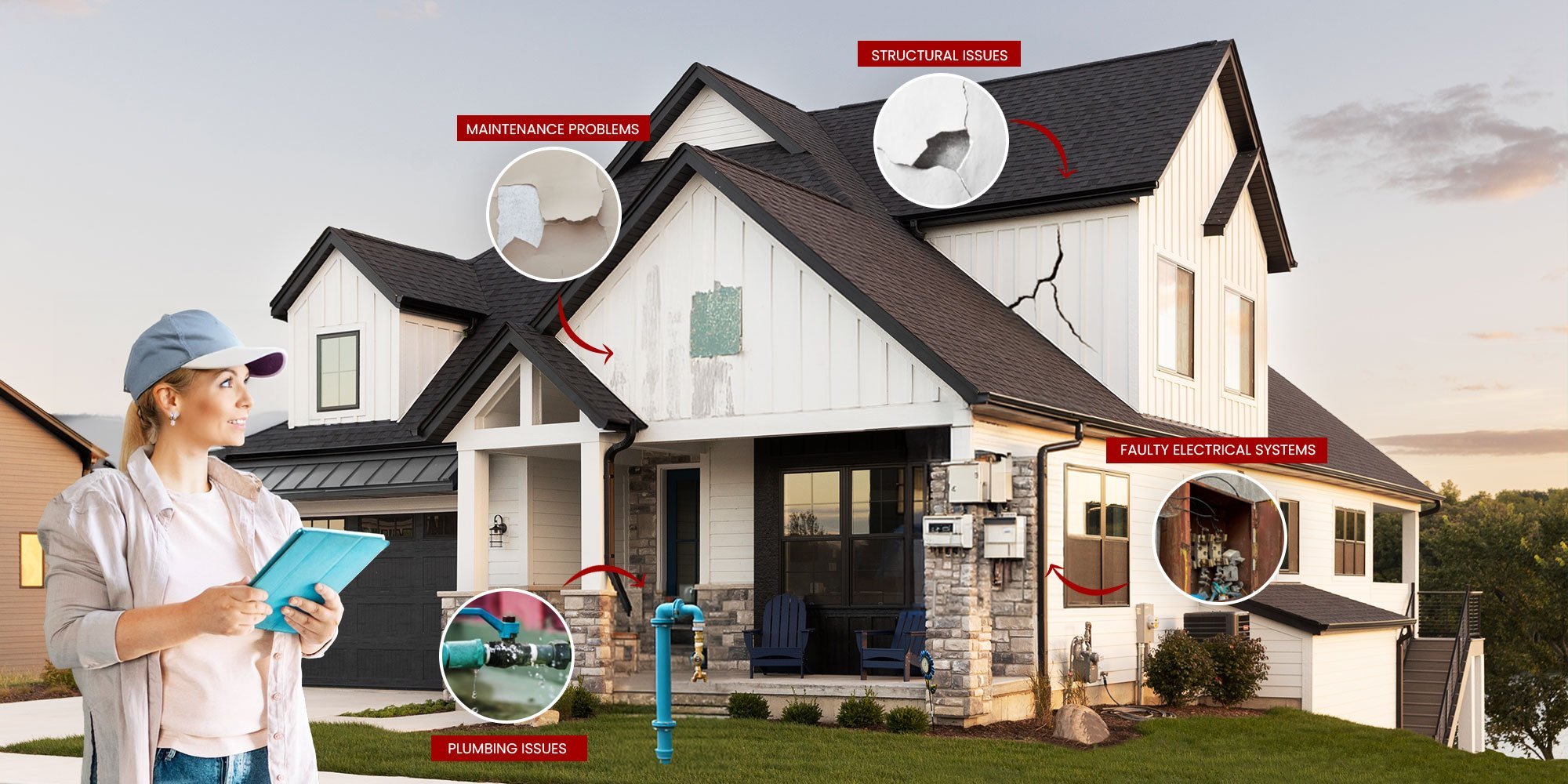
Buying a home in the Greater Houston area is an exciting journey, but it is also one of the largest financial commitments you will ever make. While a newly staged home might look flawless on the surface, the unique environmental factors of Southeast Texas, ranging from blistering heat and intense humidity to severe storm seasons, can take a heavy toll on a property’s structural integrity.
Before you sign on the dotted line, you need to know exactly what is hiding behind the drywall. Understanding the most critical red flags in a Houston home inspection is your best defense against inheriting a money pit.
If your inspection report flags any of these, proceed with extreme caution:
- Foundation: Stair-step cracks in the exterior brick or doors that won’t close, indicating severe clay soil shifting.
- Roofing: Significant granule loss, missing shingles, or active attic leaks on a roof older than 15 years.
- Electrical: Outdated, heavily recalled electrical panels (like Zinsco or Federal Pacific) that pose immediate fire hazards.
- HVAC: Oversized air conditioning units that short-cycle, leaving the indoor air feeling cold but uncomfortably clammy and humid.
- Pests & Mold: Active mud tubes from subterranean termites or widespread black mold resulting from past flood events.
Why a Home Inspection Matters
A comprehensive home inspection is not just a formality; it is a mandatory safeguard. Houston’s specific climate and geology mean that houses age differently here than they do in other parts of the country. A licensed Texas real estate inspector brings the localized expertise necessary to uncover hidden, costly defects that an untrained eye will almost certainly miss.
By identifying these issues early in the transaction, you gain the critical leverage needed to negotiate repairs, request seller concessions, adjust the purchase price, or, in the worst case scenario, walk away with your earnest money intact.
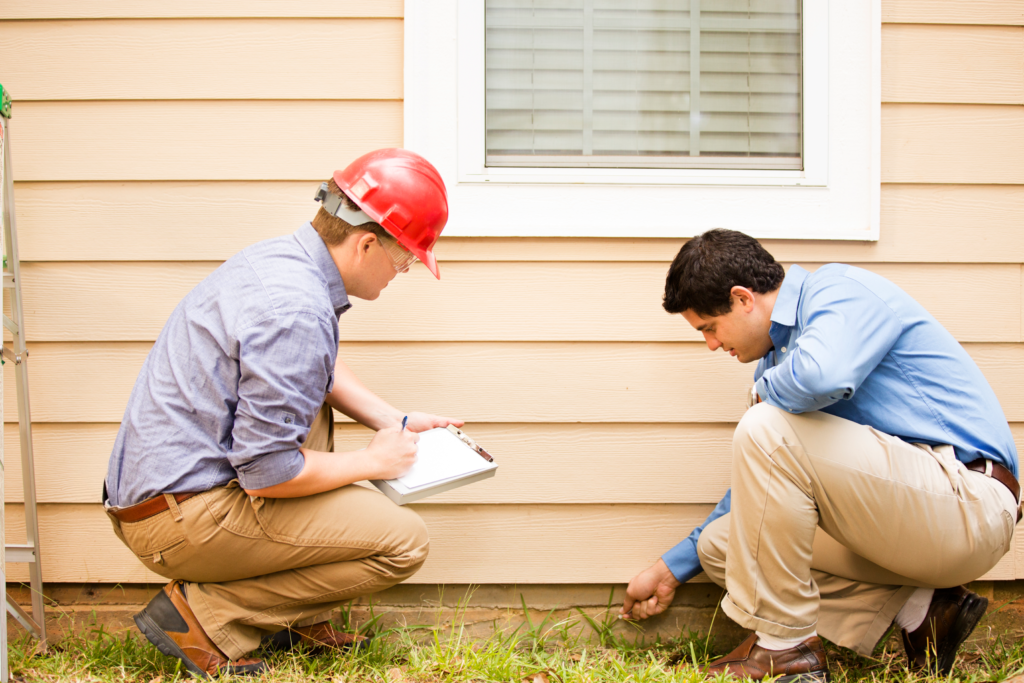
A TREC-licensed inspector documents findings room by room – giving buyers the leverage they need to negotiate or walk away
What “Red Flag” Means in a Home Inspection
When you receive a 40-page inspection report, it is easy to feel overwhelmed. Inspectors are required to note every single flaw, down to a torn window screen or a loose cabinet hinge. However, in the real estate industry, a “red flag” refers to something much more sinister. A true red flag is a severe, highly expensive, or physically hazardous defect.
To keep your sanity, you must categorize the inspector’s findings:
- The Deal-breakers: These are massive structural or safety failures. The cost to repair them drastically outweighs the property’s value or your available cash reserves.
- Repairable but Costly (Negotiation Points): These are major systems at the end of their lifespan, such as a 20-year-old roof or an aging HVAC unit. You don’t necessarily have to walk away, but you absolutely must negotiate seller concessions.
- Minor and Cosmetic Issues: Normal wear and tear. A squeaky floorboard or peeling exterior paint should never kill a real estate transaction.
Top Structural & Foundation Red Flags in Houston Houses
Foundation Cracks & Shifting Caused by Expansive Clay
Houston’s geological makeup relies heavily on expansive clay soil. This type of soil acts like a sponge, swelling dramatically during heavy rains and shrinking tightly during our brutal summer droughts. This constant subterranean movement places immense stress on concrete slab foundations. This is not just an issue isolated to central Houston; it is a classic, widespread challenge in rapidly growing suburban areas like Katy and Richmond.
When reviewing your inspection, watch out for:
- Vertical or horizontal cracks larger than 1/4 inch in the foundation slab itself.
- “Stair step” patterned cracks moving through the mortar of exterior brick walls.
- Interior doors and windows that constantly stick, scrape the frame, or refuse to latch properly.
- Separation between the walls and the ceiling.
Collapsing or Significant Sagging Floors
For older homes, particularly those built on pier and beam foundations in historic neighborhoods, sagging floors are a major warning sign. If the wooden supports have succumbed to rot, moisture, or termite damage, the floors may begin to collapse. Repairing structural damage of this magnitude requires lifting the home and replacing major beams, which can rapidly incur tens of thousands of dollars in repair costs.
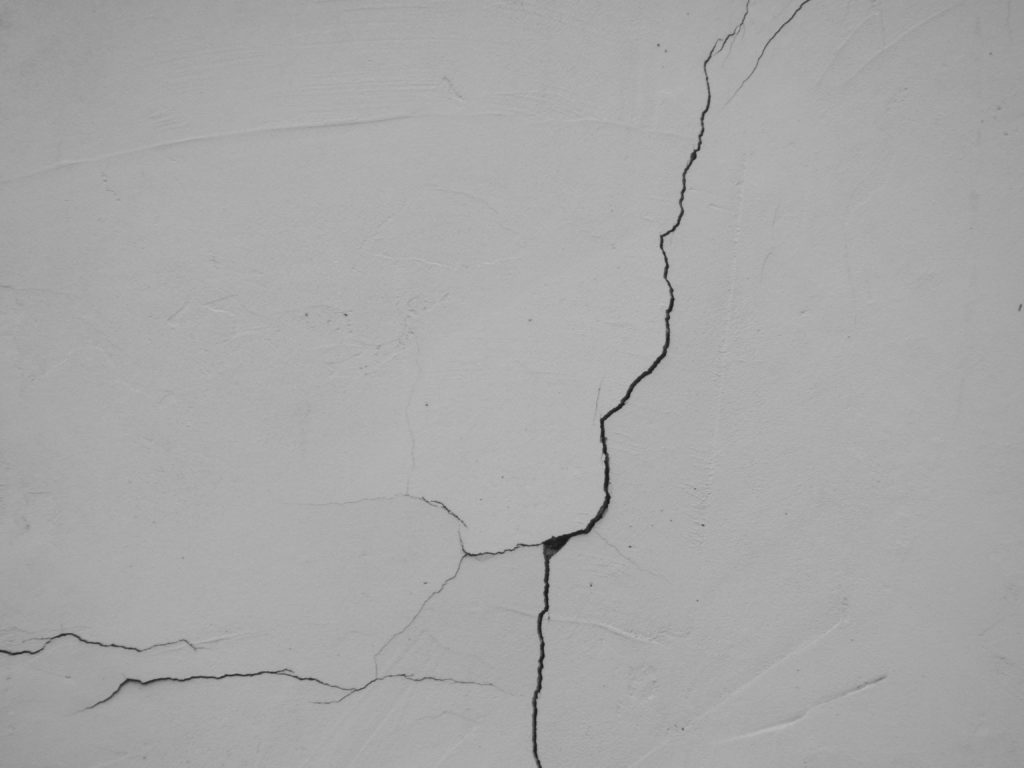
Stair-step cracks running through exterior brick mortar joints are a classic Houston red flag, signaling significant foundation shifting beneath the home
Roof, Exterior & Weather‑Related Red Flags in Houston
Roof Leaks & Aging Roofing in a Humid, Stormy Climate
In Houston, your roof is your primary shield against tropical storms and hurricane seasons. A compromised roof will quickly lead to catastrophic water damage throughout the rest of the house. Red flags include significant loss of protective granules on the shingles, “pooling water” on flat roof sections, or a roof that is older than 15 to 20 years. Inside the home, the inspector will look for water stains on the ceilings, damp insulation in the attic, or a distinct musty smell following a recent rainstorm.
Gutters, Grading & Water Pooling Near the Foundation
The way water flows away from a house is called grading. “Negative grading”, where the soil slopes toward the house rather than away from it, is a massive red flag. When rainwater from Houston’s torrential downpours is allowed to pool against the base of the house, it drastically accelerates the expansion of the clay soil, forces moisture into the home, and can cause foundational failure over time.
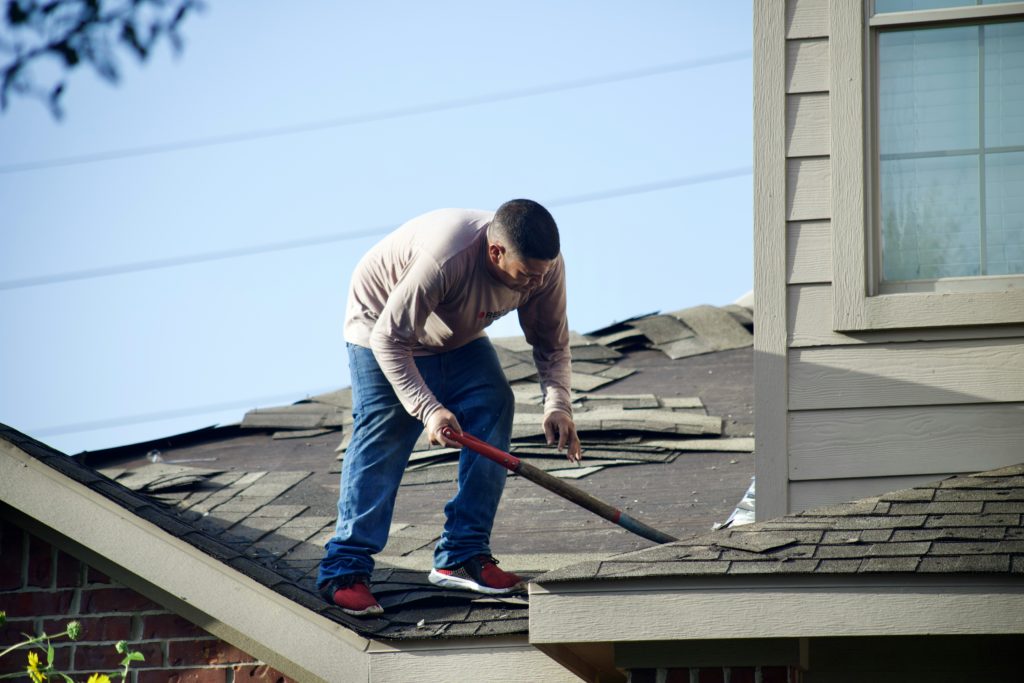
Significant granule loss on asphalt shingles leaves a Houston roof vulnerable to UV damage, leaks, and eventual water intrusion
Electrical & Fire Safety Red Flags
Outdated or Unsafe Electrical Wiring
Older Houston homes, specifically those constructed before the 1980s, may harbor severely outdated electrical systems that pose serious fire risks. Your inspector will be looking out for obsolete electrical panels, most notably Federal Pacific Electric (FPE) or Zinsco brand panels, which have a well documented history of failing to trip during power surges, resulting in house fires. Additionally, ungrounded 2 prong outlets or the presence of aluminum wiring (which expands and contracts, leading to loose, overheating connections) are major safety hazards that must be addressed.
Overloaded Panels & DIY Wiring Jobs
An overloaded breaker panel, amateur “DIY” wiring spliced together with electrical tape, or signs of rust inside the breaker box (indicating water intrusion) are immediate threats. These conditions violate modern safety standards and the National Electrical Code (NEC), requiring immediate, professional remediation by a licensed electrician.
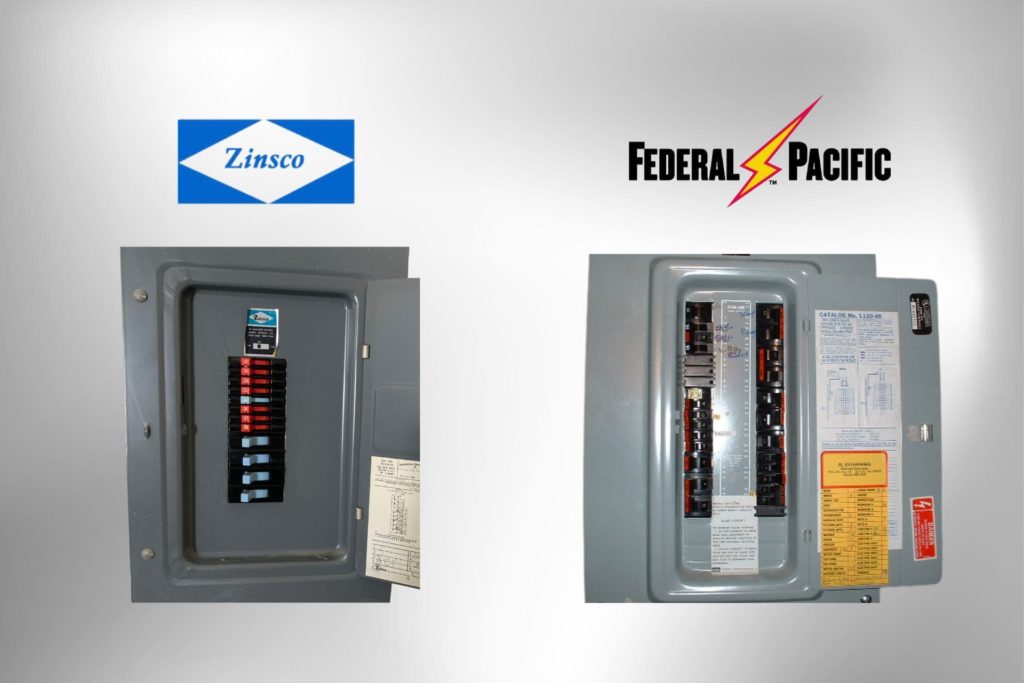
Federal Pacific Electric (FPE) panels, commonly found in older Houston homes, have a documented history of failing to trip during overloads
Plumbing & Water Damage Red Flags
Hidden Leaks, Water Stains, and Musty Odors
Water damage is a silent killer in real estate. Because plumbing is hidden behind drywall and underneath concrete slabs, buyers rarely spot issues during a simple walk through. Musty odors, unexplained water stains on the baseboards, low water pressure, or warped cabinetry under sinks are clear signs of active plumbing leaks.
Sewer Line Issues & Outdated Pipes
In mature Houston neighborhoods, plumbing issues often extend into the yard. Main sewer lines can suffer from “bellies” (sunken areas where waste stagnates) or severe tree root intrusions that crack the pipes. Furthermore, if the home still relies on old galvanized steel pipes (which rust from the inside out) or lead plumbing, you are looking at significant replacement costs and potential health hazards.
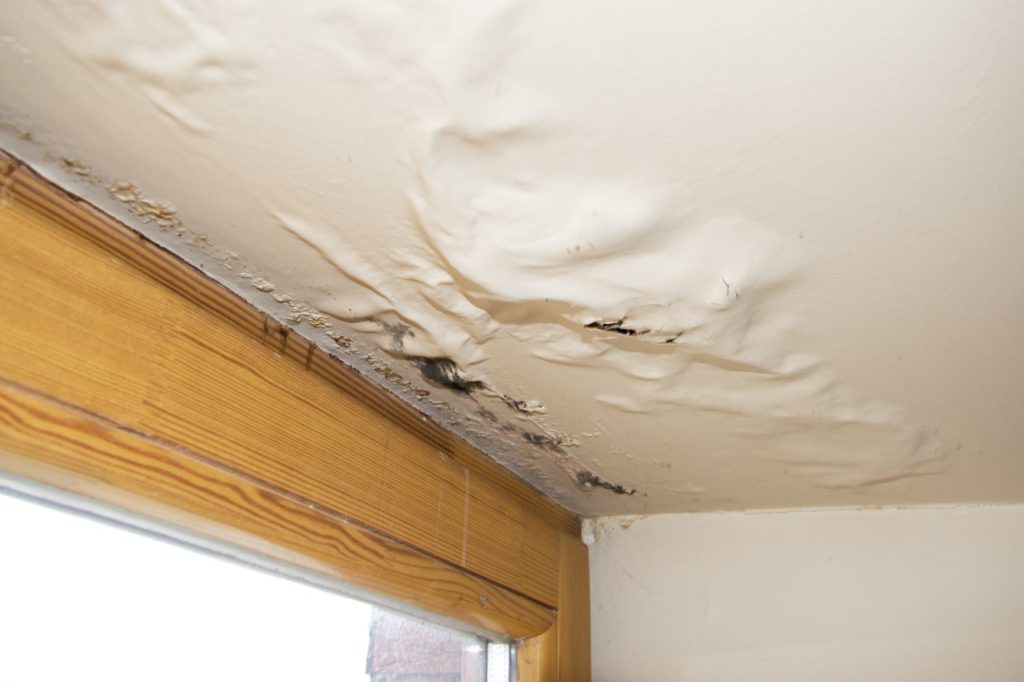
Brown water stains on interior ceilings are a direct symptom of an actively leaking roof
HVAC System Red Flags in Houston’s Climate
In Southeast Texas, a functioning Air Conditioning system is not a luxury; it is a necessity for survival. Because the HVAC system runs nearly year round, it represents one of the largest operational costs for a homeowner.
- Oversized Units & Short Cycling: It might seem like a bigger AC unit is better, but an oversized system will cool the house too rapidly and shut off (a process called short cycling). Because it doesn’t run long enough to pull the heavy Houston humidity out of the air, the home is left feeling cold, clammy, and susceptible to mold growth.
- Age (>15 to 20 Years): If the HVAC unit is pushing two decades old, it is running on borrowed time. It will likely fail when you need it most.
- Poor Maintenance: Dirty coils, leaking ductwork in the attic, and unserviced units mean sky high energy bills. If the HVAC is heavily aged or failing, this is a prime opportunity to ask the seller for a replacement credit.
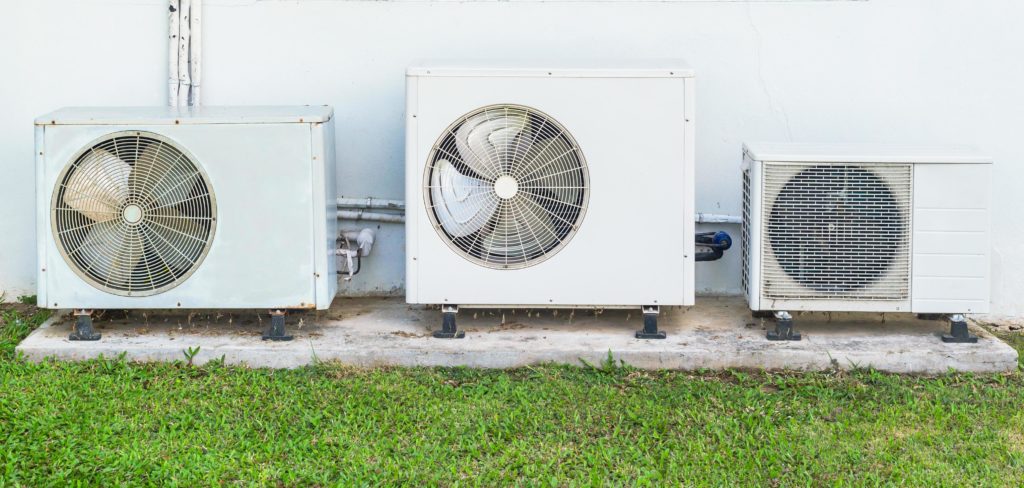
An aging HVAC unit pushing 15–20 years in Houston’s brutal heat is a ticking clock
Pests, Mold & Health‑Related Red Flags
Termite and Wood Destroying Insect (WDI) Damage
Houston’s naturally humid, subtropical environment is a breeding ground for termites. Getting a specialized Wood Destroying Insect (WDI) inspection is practically mandatory. Active termite infestations or evidence of severe structural damage to the framing can structurally ruin a home and cost a fortune to treat and repair.
Mold, Mildew, and Fungal Growth
Visible mold growth or overwhelming musty smells indicate a deeply rooted moisture problem, often tied to the roof, plumbing, or HVAC issues mentioned above. Because mold can trigger severe allergic reactions and long term respiratory issues, professional remediation is usually required to ensure the home is safe to inhabit.
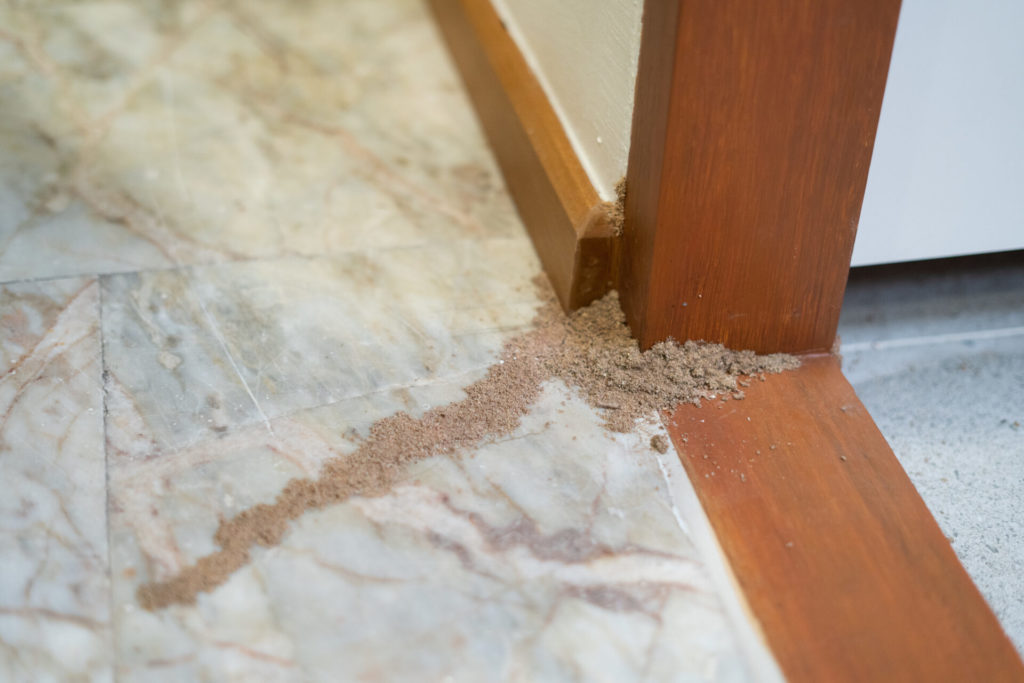
Subterranean termite mud tubes running along a home’s foundation are a clear sign of active infestation
When to Walk Away After a Houston Home Inspection
When analyzing a problematic inspection report, buyers need to put their emotions aside and think strictly like investors. It is vital to evaluate the Holding Costs and the PITI (Principal, Interest, Taxes, and Insurance).
When you purchase a severely flawed house and have to spend three months replacing the roof and fixing the slab, you aren’t just paying for the construction. You are paying holding costs: the mortgage, insurance, and taxes on a house you might not even be able to live in yet. With property taxes currently sitting at around 2.5% in many of Texas’s newly developing communities, a house with massive defects will destroy your budget and evaporate your profit margins incredibly fast.
The Data Driven Negotiation Strategy
If major red flags appear, do not panic, but do rely on data. Have your real estate agent pull fresh data from the MLS (Multiple Listing Service) to run a new Comparative Market Analysis (CMA). You must evaluate the true current market value of the home in its defective, “needs repair” state, rather than the pristine value the seller listed it for. Use this data to negotiate aggressively.
5 Scenarios Where You Should Absolutely Walk Away:
- Massive Foundation Failure: When repair quotes exceed your emergency savings, or a structural engineer deems the slab severely compromised and unlevel.
- Failing Roof + Severe Active Leaks: If the roof is completely dead and water has already begun rotting the wooden attic framing and ceiling drywall.
- Dangerous Electrical Systems: When the entire home requires tearing down walls for a full rewire to remove fire hazards, and the seller refuses to drop the price.
- Major Plumbing or Main Sewer Collapse: Under slab plumbing leaks or collapsed main sewer lines that require jackhammering the concrete foundation to fix.
- Extensive Termite/Mold Damage: When the cost of professional toxic mold remediation and structural wood replacement far outweighs the long term value of the property.
Real life scenario: Imagine you fall in love with a beautifully updated home, but the inspector finds an active termite colony in the walls, a sinking foundation, and an old, recalled electrical panel. If the seller refuses to negotiate a price reduction to cover these $30,000+ repairs, walking away is the smartest move to protect your financial future.

A skilled real estate agent can negotiate aggressively on your behalf
Questions to Ask Your Houston Home Inspector
To maximize the value of your inspection, accompany your inspector during the final walkthrough and ask these critical questions:
- “Out of everything detailed on this report, what do you consider to be the most critical, immediate red flag?”
- “Based on your experience, what are the rough estimated costs to fix these specific major items?”
- “Are there any items here that look suspicious enough to require a second look by a specialist (like a structural engineer, a licensed roofer, or a mold remediator)?”
Always ensure you are working with a highly reputable, insured inspector licensed by the Texas Real Estate Commission (TREC).
Checklist for Buyers: Houston Home Inspection Red Flags
Save or screenshot this quick reference checklist to keep on hand during your transaction period:
| Inspection Category | Specific Red Flag to Watch For | Fixability / When to Walk Away |
| Foundation | Cracks >1/4″, sloping floors, doors that stick. | Highly expensive. Usually a deal breaker if structural failure is severe. |
| Roof | Missing granules, active attic leaks, age > 15 years. | Repairable or replaceable. Walk away if water rot is extensive. |
| Electrical | Outdated panels (FPE/Zinsco), DIY wiring, rusted boxes. | Extremely dangerous fire hazard. Must be prioritized and fixed immediately. |
| Plumbing | Hidden water leaks, pooling water, lead pipes. | Varies by location. Under slab or main sewer line leaks are very severe. |
| HVAC System | Oversized for the home, >15 years old, short cycling. | High operational and energy costs. Prime item for seller negotiation. |
| Pest & Mold | Active termite damage, visible mold, musty odors. | High professional remediation cost; poses serious health hazards. |
Frequently Asked Questions (FAQs)
Q: Should I be worried about hairline cracks in the foundation?
A: Not always. Small hairline cracks in concrete are common due to normal settling. However, if they are wider than 1/4 inch, jagged, or actively growing, you need a structural engineer.
Q: If the seller refuses to fix a major roof defect, can I get my Earnest Money back?
A: Yes, provided you are still within your Option Period. This is why having an adequate option period written into your contract by a skilled real estate agent is vital.
Q: How long does a standard home inspection take in Houston?
A: Typically, a standard inspection takes between 2 to 4 hours, depending on the square footage, age, and condition of the property.
Q: What is the biggest red flag in a Houston home inspection?
A: Foundation failure. Because of the expansive clay soil, a compromised foundation is the most expensive and structurally threatening issue in the region.
Q: Do all home inspections in Houston include roof and foundation checks?
A: Yes, a standard TREC-licensed home inspection includes visual checks of the roof and foundation. However, if they spot severe issues, they will recommend a specialized structural engineer or roofing contractor for a deeper dive.
Q: When should I walk away after a home inspection in Houston?
A: Walk away when the repair costs (like a bad roof, failing foundation, or severe mold) push the total cost of the home above market value, or when the seller refuses to negotiate on major safety hazards.
Navigating a home purchase in the Houston market does not have to be an overwhelming experience. By understanding these critical red flags, from foundation movement and roof damage to hidden electrical and plumbing hazards, you are fully equipped to make a smart and informed investment.
Remember that a thorough home inspection is your most powerful tool. It provides the data you need to negotiate effectively, request necessary repairs, or confidently walk away from a property that could drain your finances. Always prioritize your safety and long term budget over the immediate cosmetic appeal of a house.
Looking for your dream home in Texas? Let Win Nguyen Real Estate Group guide you every step of the way. Reach out to us today at winnguyengroup.com or call (346) 226 6688.
Win Nguyen Group: Your Trusted Partner in Texas Real Estate.


